Advice & Guides — March 2026 — 7 min read
☎️0800 019 7529Do You Need a Load-Bearing Assessment Before Replacing a Conservatory Roof?
Discover the importance of a load-bearing assessment before replacing your conservatory roof. Ensure safety and structural integrity.



Warranty
Guarantee
Free Conservatory Roof Consultation
We'll call you back within 2 hours
Why a Load-Bearing Assessment Matters
Before replacing your conservatory roof, a load-bearing assessment is essential to ensure the existing structure can support the weight of your new roof. This step is particularly important when upgrading to a tiled conservatory roof, as tiles are significantly heavier than traditional polycarbonate or glass panels. Without a proper assessment, you risk compromising the structural integrity of your conservatory, which can lead to issues such as sagging or even collapse over time.
A professional load-bearing assessment involves evaluating the strength and condition of the conservatory’s existing frame, supports, and foundations. Factors like the age of the conservatory, the materials used, and any previous wear and tear are carefully considered. This ensures that your conservatory remains safe, functional, and compliant with building regulations while accommodating the new roof’s added weight.
What Happens During a Load-Bearing Assessment?
During a load-bearing assessment, experienced installers or surveyors will examine the structural integrity of your conservatory. This typically includes inspecting the frames, glazing bars, wall connections, and any supporting posts to identify potential weaknesses. If the conservatory was built decades ago, materials may have deteriorated over time, making them less capable of supporting a heavier roof. Similarly, any signs of damage, such as cracks or warping, need to be addressed before proceeding with the roof replacement.
Surveyors also check the foundation of the conservatory to ensure it can withstand the additional load. For instance, tiled roofs distribute weight differently than lightweight polycarbonate roofs. If the foundation isn’t adequate, adjustments may be required to prevent subsidence or uneven load distribution. This thorough process ensures that the upgraded roof is both safe and durable, reducing the risk of future structural issues.
- Inspection of frames and supports for signs of wear or damage
- Evaluation of glazing bars and wall connections
- Assessment of foundation stability
Common Challenges and How They’re Addressed
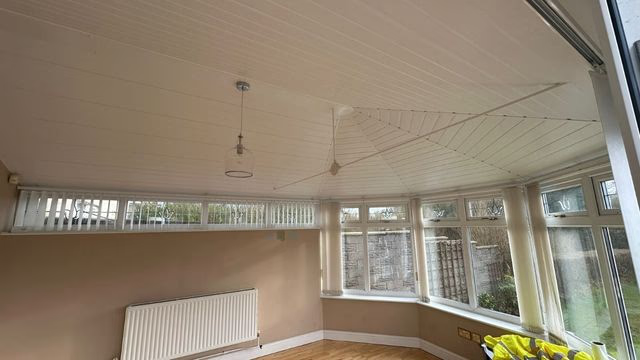
One common challenge during load-bearing assessments is discovering that older conservatories may not have been designed to accommodate heavy materials like tiles. For example, timber frames might show signs of rot, or aluminium components may have corroded. In such cases, your installer may recommend reinforcing the structure or replacing certain elements to ensure it can safely support the new roof. These adjustments are crucial to avoid long-term issues and maintain the safety of your conservatory.
Another challenge can arise with uneven or unstable foundations. If the base of the conservatory has shifted over time, it can affect the load distribution of the new roof. Experienced installers will use specialised techniques to address these issues, such as underpinning the foundation or redistributing weight with additional supports. These measures not only improve structural integrity but also enhance the longevity of your conservatory roof.
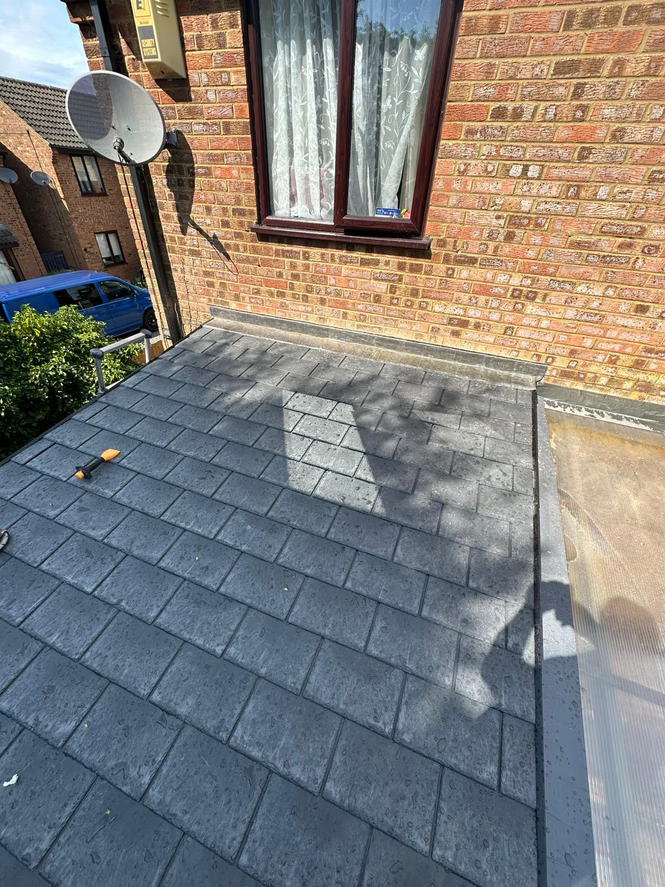
Installer Insights: Practical Considerations
From an installer’s perspective, one of the first steps during any roof replacement project is to assess the conservatory’s roof pitch. The pitch determines how well a tiled roof will function and how it distributes weight across the structure. If the pitch is too shallow, it may not be suitable for certain roof types, and adjustments might be necessary. Additionally, proper drainage systems must be checked to ensure water runoff is effectively managed, preventing excess strain on the structure.
Access to the conservatory is another practical consideration during the installation process. Narrow garden paths, limited entry points, or obstacles around the property can impact how materials are delivered and assembled. Installers need to plan carefully to avoid delays and ensure the project runs smoothly. These factors underline the importance of a professional survey before committing to a roof replacement, as every detail contributes to the success of the installation.
- Checking roof pitch for compatibility with tiled roofs
- Ensuring proper drainage systems are in place
- Assessing access and site conditions for material delivery
How a Load-Bearing Assessment Benefits You
Investing time in a load-bearing assessment offers several key benefits. First and foremost, it ensures the safety of your conservatory, reducing the risk of structural failure due to the added weight of a tiled roof. This assessment also helps identify any weaknesses in the existing frame or foundation, giving you the opportunity to address them before installation begins. As a result, you gain peace of mind knowing your conservatory is structurally sound and compliant with building regulations.
Additionally, a thorough assessment can save you money in the long run by preventing costly repairs or replacements caused by unaddressed issues. By identifying and resolving potential problems early, you can avoid disruptions and ensure your conservatory remains functional for years to come. Ultimately, a load-bearing assessment is an investment in the longevity, safety, and efficiency of your upgraded conservatory roof.
Get Your Free Quote Today
No obligation. No sales pressure. We'll call you within 2 hours and give you an honest, straight-talking price.
Call us free on
0800 019 7529
Mon–Fri 8am–6pm · Sat 9am–5pm

