Advice & Guides — March 2026 — 6 min read
☎️0800 019 7529Does a Conservatory Roof Replacement Require Building Regulations?
Find out if building regulations approval is required when replacing your conservatory roof in the UK, and get expert guidance on compliance.



Warranty
Guarantee
Free Conservatory Roof Consultation
We'll call you back within 2 hours
Understanding Building Regulations for Conservatory Roofs
In the UK, building regulations are a set of standards designed to ensure that construction work meets safety, energy efficiency, and accessibility requirements. When it comes to conservatories, these regulations primarily apply to structural integrity, thermal performance, and fire safety. However, whether or not they apply to a conservatory roof replacement depends on several factors, including the nature of the replacement and the materials used.
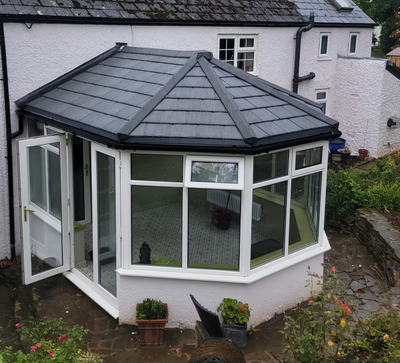
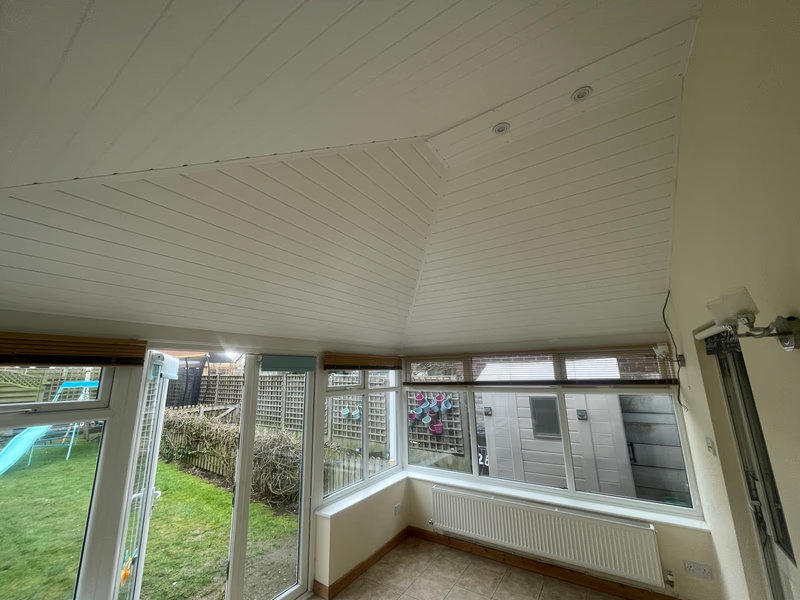
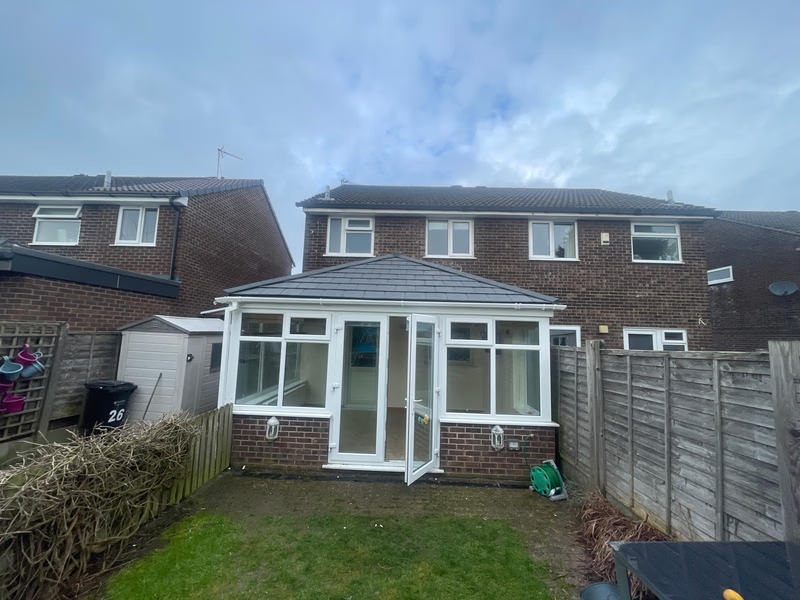
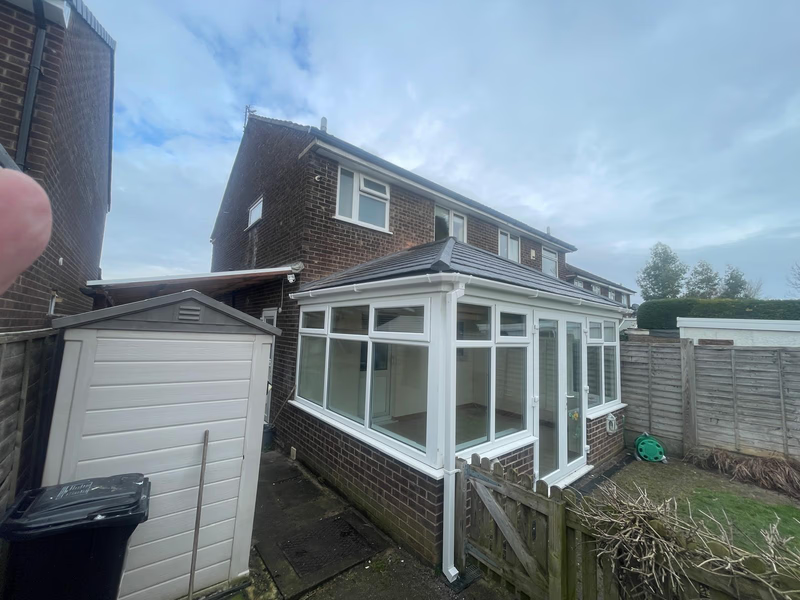
If your conservatory was originally built to comply with building regulations, replacing the roof may not require additional approval, provided the new roof does not alter the structure’s use or significantly impact its thermal efficiency. However, if the new roof changes the conservatory from a 'temporary' structure to one that is more akin to a permanent extension, you may need to seek approval. This is especially relevant for tiled roof systems, which offer superior insulation compared to traditional polycarbonate or glass roofs.
When Is Building Regulations Approval Necessary?
Building regulations approval is generally required if your conservatory roof replacement results in a significant change to the structure or its performance. For instance, replacing a lightweight polycarbonate roof with a solid, tiled roof can make the conservatory more energy-efficient and habitable year-round. However, this also means the structure must meet specific thermal performance standards to ensure compliance with current regulations.
Additionally, structural considerations come into play. A tiled roof is considerably heavier than a polycarbonate or glass roof, which may necessitate reinforcement of the existing conservatory frame and foundations. These changes could trigger the need for building regulations approval to confirm the structure can safely bear the additional weight. It’s always advisable to consult with professionals, like our expert team, who can assess your conservatory’s suitability for a roof upgrade and guide you through the compliance process.
How to Ensure Compliance with Building Regulations
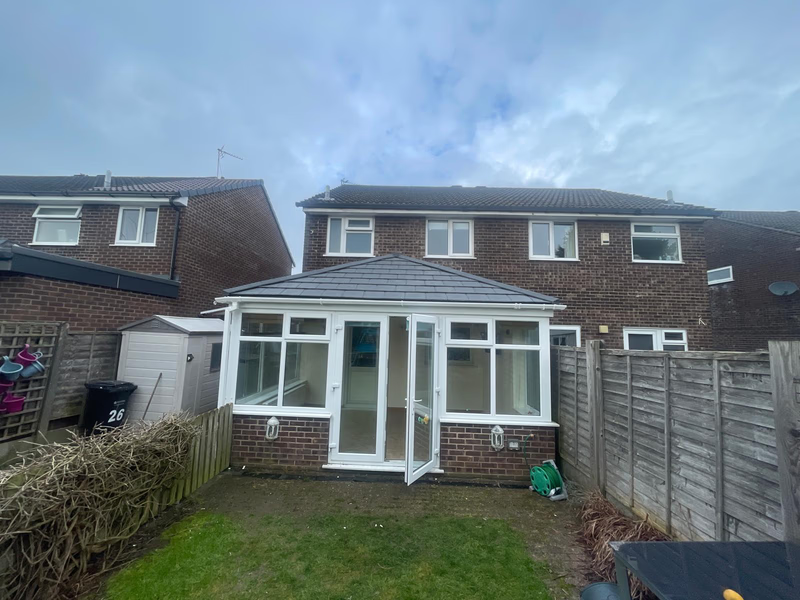
To ensure your conservatory roof replacement complies with building regulations, start by consulting a qualified installer who understands the relevant requirements. At Conservatory Roof Services, we specialise in installing tiled conservatory roofs that meet or exceed UK building standards for thermal efficiency and structural integrity. Our team conducts a thorough assessment of your existing conservatory before starting any work, ensuring the frame and foundations are suitable for the new roof.
Another important step is obtaining a completion certificate from your local authority or an approved inspector. This certificate serves as proof that the work complies with building regulations, which can be crucial if you decide to sell your property in the future. Without this documentation, you may face difficulties during the conveyancing process. By working with experienced professionals, you can ensure that every aspect of the installation is carried out to the highest standards, giving you peace of mind and protecting your investment.
- Consult a qualified conservatory roof installer.
- Ensure your new roof meets thermal performance standards.
- Obtain a building regulations compliance certificate.
Benefits of a Roof Replacement That Meets Regulations
Replacing your conservatory roof in compliance with building regulations not only ensures safety and legality but also enhances the long-term value of your home. A properly installed tiled roof can significantly improve energy efficiency, reducing heat loss in winter and minimising overheating in summer. This allows you to enjoy your conservatory as a comfortable living space all year round, transforming it into a true extension of your home rather than just a seasonal room.
Additionally, compliance with building regulations can make your property more attractive to potential buyers. When selling your home, having the necessary certification in place reassures buyers that the conservatory is structurally sound and energy-efficient. This can simplify the sales process and potentially increase your property’s market value. By investing in a compliant roof replacement, you’re not only improving your current quality of life but also protecting your home’s resale value.
Avoiding Common Pitfalls During Roof Replacement
One common mistake homeowners make is assuming that all conservatory roof replacements are exempt from building regulations. While some minor repairs or like-for-like replacements may not require approval, any significant changes to the roof’s material, weight, or thermal properties likely will. Failing to secure the necessary approvals can lead to complications down the line, including fines, difficulties selling your home, or being required to reverse the work.
Another pitfall is choosing an unqualified installer who is unfamiliar with building regulations. Poor workmanship or non-compliance could result in a roof that doesn’t meet safety standards, leaving you liable for costly fixes. By choosing a reputable and experienced provider like Conservatory Roof Services, you can avoid these issues. Our team has completed over 500 projects, and we offer a 10-year workmanship guarantee for your peace of mind.
- Assuming all roof replacements are exempt from regulations.
- Hiring unqualified or inexperienced installers.
- Overlooking structural requirements for heavier roofs.
Also see: Do Conservatory Roof Replacements Require Building Regula…
Also see: Do I Need a Building Regulations Certificate After Replac…
Also see: Do I Need to Upgrade My Conservatory Roof to Meet Modern…
Get Your Free Quote Today
No obligation. No sales pressure. We'll call you within 2 hours and give you an honest, straight-talking price.
Call us free on
0800 019 7529
Mon–Fri 8am–6pm · Sat 9am–5pm

