Advice & Guides — March 2026 — 7 min read
☎️0800 019 7529Do I Need a Ventilated Conservatory Roof to Prevent Condensation and Mould?
Discover how ventilated conservatory roofs help prevent condensation and mould, ensuring a healthier and more comfortable space.



Warranty
Guarantee
Free Conservatory Roof Consultation
We'll call you back within 2 hours
Why Ventilation Matters for Conservatory Roofs
When considering a conservatory roof replacement, ventilation is a key factor to address. Proper ventilation is essential to prevent condensation build-up, which can lead to mould growth and damage to your conservatory structure. Condensation occurs when warm, moist air comes into contact with cooler surfaces, such as the inside of your conservatory roof. Without adequate airflow, this moisture has nowhere to escape, creating the perfect conditions for mould and mildew to thrive.
A ventilated conservatory roof helps to regulate temperature and airflow within the space, ensuring that warm air has an escape route and preventing moisture from accumulating. This is particularly important during colder months when the temperature difference between the inside and outside of the conservatory is more pronounced. By installing a properly ventilated conservatory roof, you can create a healthier and more comfortable environment for your family while protecting the structural integrity of your conservatory.
Signs of Poor Ventilation: Spotting Condensation and Mould
If your conservatory is poorly ventilated, you may notice several telltale signs of condensation and mould. Condensation often appears as water droplets on glass panes or the internal surfaces of the roof. Over time, this excess moisture can lead to damp patches, peeling paint, or discolouration around window frames and other areas. Mould growth is another indicator of inadequate ventilation, often forming in corners, crevices, or areas where airflow is restricted.
Aside from being unsightly, mould can pose health risks, especially for individuals with respiratory conditions or allergies. It can also weaken the materials within your conservatory, such as wooden frames or seals, leading to costly repairs. Addressing these issues early on by replacing your roof with a ventilated system can save you money in the long run and significantly improve the comfort and usability of your conservatory.
How We Ensure Proper Ventilation During Installation
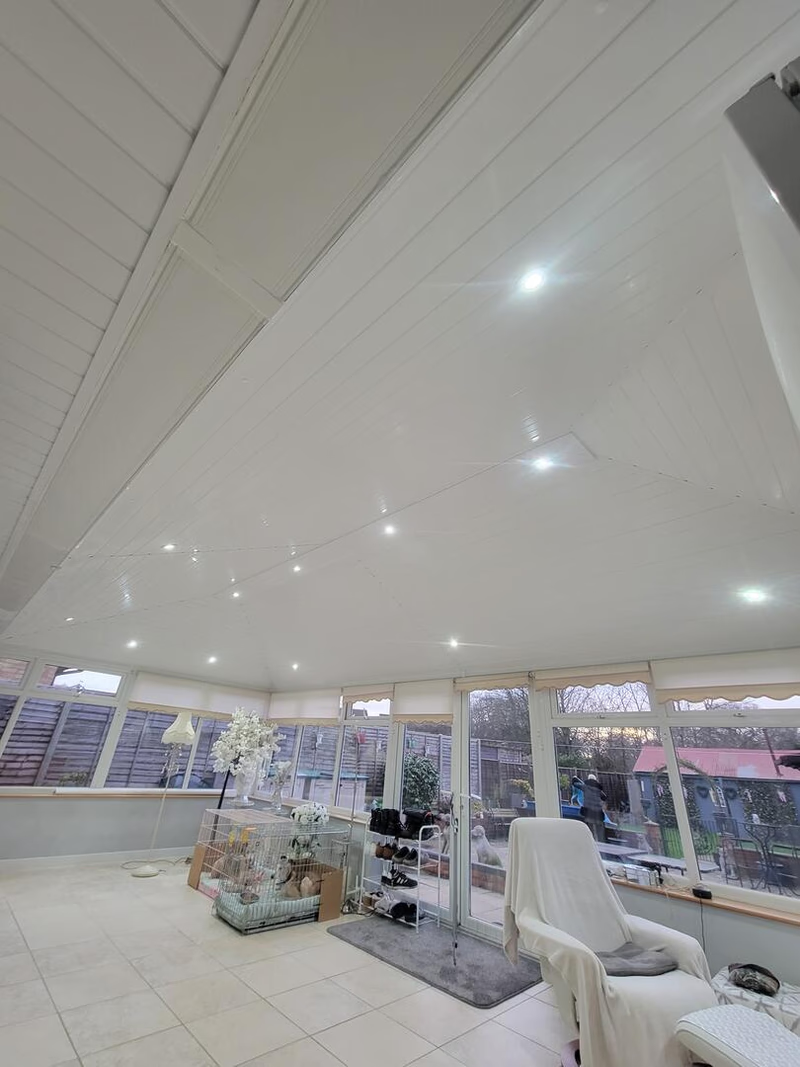
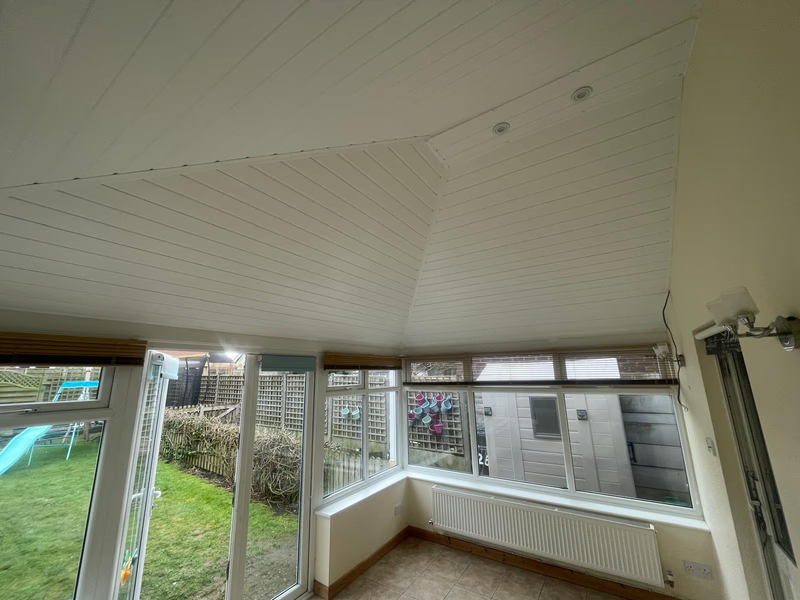
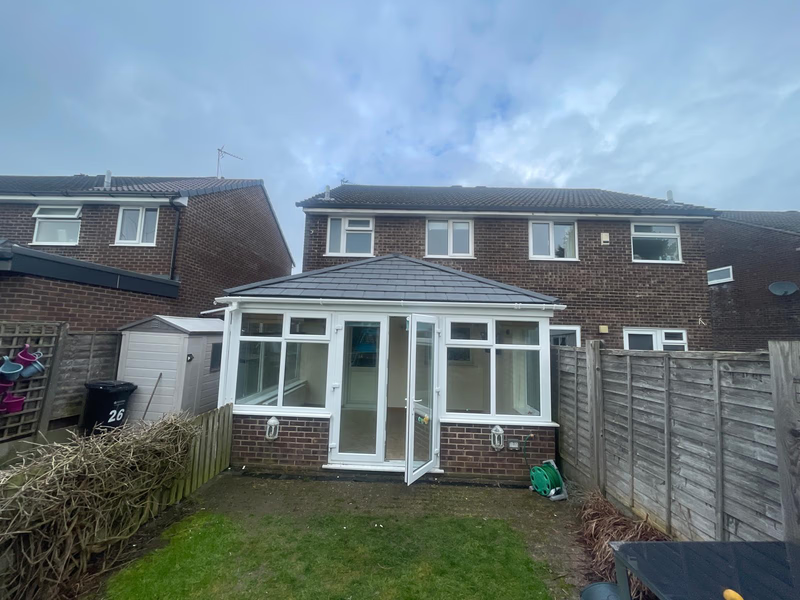
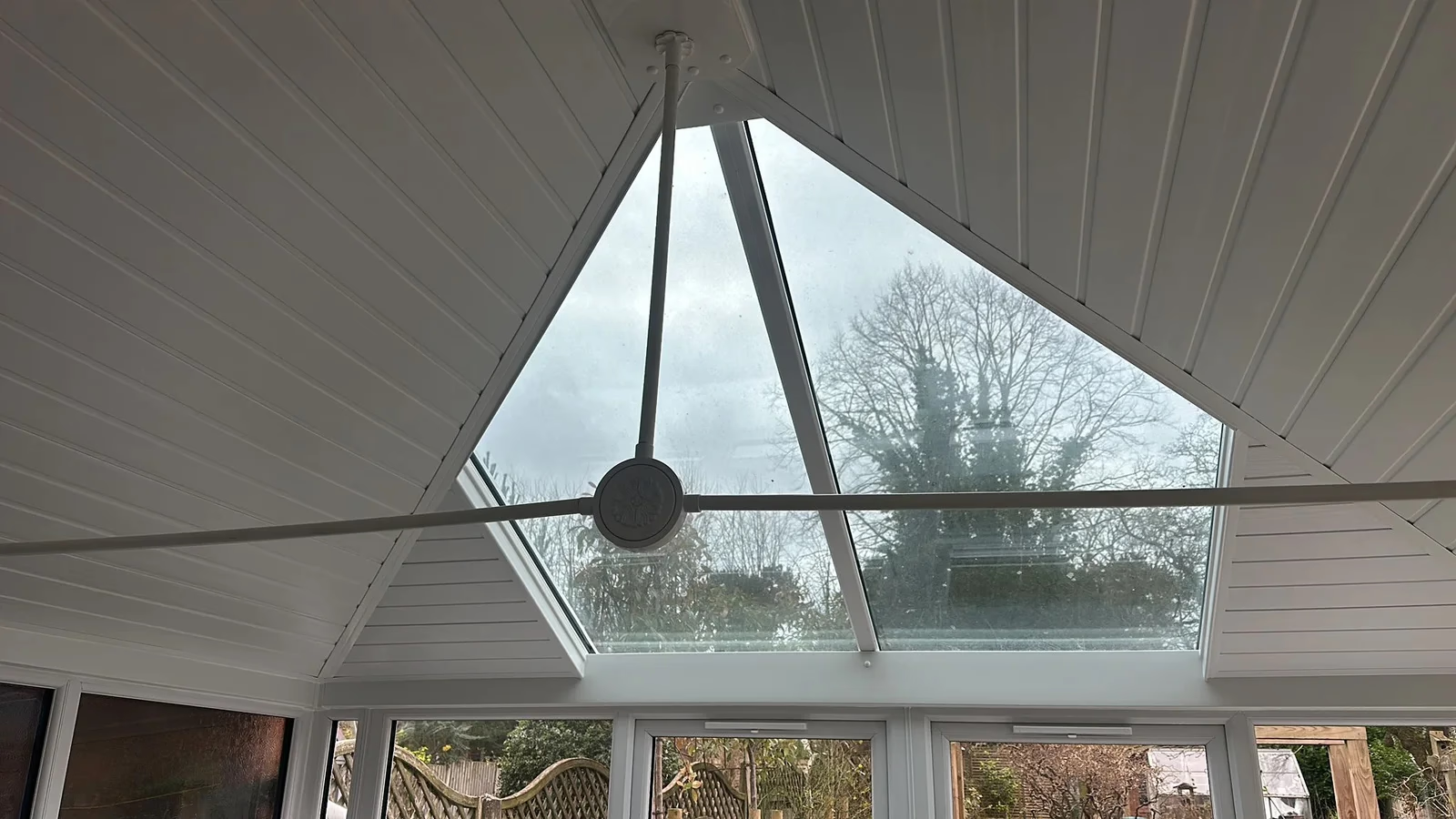
At Conservatory Roof Services, we prioritise proper ventilation during all roof replacement projects to keep your conservatory free from condensation and mould. During our initial survey, our experienced installers carefully assess your existing conservatory structure, paying close attention to factors such as roof pitch, frame condition, and drainage systems. These elements are crucial in determining the best ventilation approach for your new tiled roof system.
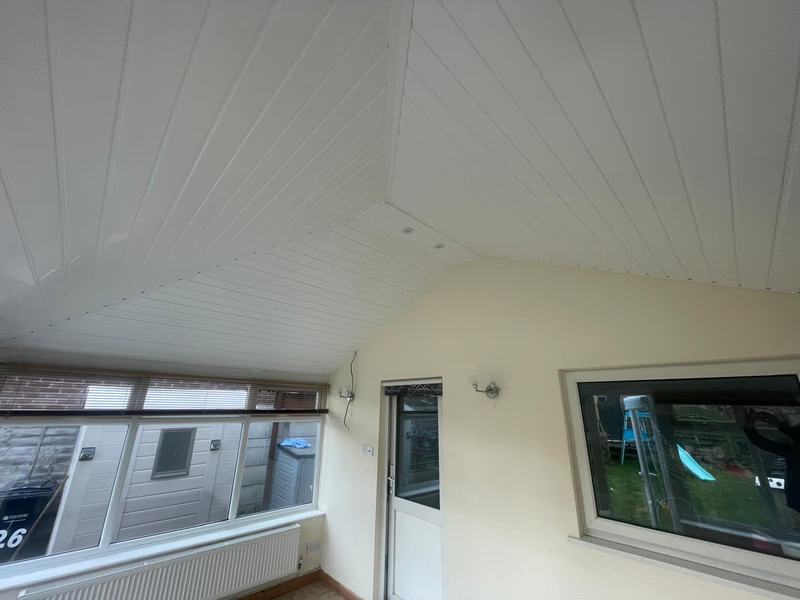
For example, if your conservatory has a shallow roof pitch, it may require specific ventilation measures to ensure adequate airflow. Our bespoke tiled roof systems are designed to incorporate ventilation where needed, allowing warm air to escape efficiently and preventing moisture build-up. Additionally, we examine other aspects, such as the seals and joints, to ensure a tight yet breathable structure that complements the insulation provided by our white uPVC cladding.
- Assessment of existing structure and roof pitch
- Incorporation of ventilation systems in the roof design
- Inspection of seals, joints, and drainage systems
The Long-Term Benefits of Ventilated Conservatory Roofs
Investing in a ventilated conservatory roof offers numerous long-term advantages. Firstly, it significantly reduces the risk of condensation and mould, ensuring a cleaner and healthier environment. This is particularly beneficial for families with children or individuals prone to allergies. Furthermore, proper ventilation can enhance your conservatory’s energy efficiency by maintaining a stable indoor temperature, which reduces the need for excessive heating or cooling.
Another major benefit is the protection of your conservatory’s structural elements. Moisture can cause wood rot, weaken seals, and lead to costly repairs if not addressed. A ventilated roof helps mitigate these risks, prolonging the lifespan of your conservatory and safeguarding your investment. Moreover, maintaining a dry and well-ventilated space ensures that your conservatory remains a pleasant and usable area throughout the year, whether as a dining room, playroom, or relaxation space.
- Prevention of moisture-related damage
- Improved energy efficiency and reduced heating costs
- Healthier indoor environment with less risk of mould
Can All Conservatories Benefit From Ventilated Roofs?
Most conservatories can benefit from a ventilated roof system. Whether you have a traditional Edwardian, Victorian, or lean-to conservatory, proper ventilation is crucial for maintaining a healthy and comfortable environment. However, the specific type and placement of ventilation features may vary depending on the design and layout of your conservatory. For instance, larger conservatories with complex roof shapes may require multiple ventilation points to ensure adequate airflow throughout the space.
During our professional survey, we assess your conservatory’s structure and recommend the best ventilation solution for your needs. We also check for potential issues such as blocked drainage or ineffective seals, which can exacerbate condensation problems. By choosing our bespoke tiled roof systems, you can rest assured that your conservatory will benefit from optimised ventilation tailored to its unique specifications.
Get Your Free Quote Today
No obligation. No sales pressure. We'll call you within 2 hours and give you an honest, straight-talking price.
Call us free on
0800 019 7529
Mon–Fri 8am–6pm · Sat 9am–5pm

